
There's a peculiar tendency in the software industry to confuse sophistication with complexity.
We celebrate applications with hundreds of features, elaborate dashboards, and seemingly endless configuration options. We measure progress by what we've added.
But the most remarkable technology often distinguishes itself by what the user never has to think about.
True simplicity isn't the absence of sophistication. It's the result of it.
The Hard Work of Making Things Easy
Consider something as ordinary as sending a message.
Behind that simple action sits an extraordinary collection of technologies: networking protocols, encryption, data storage, synchronization, authentication, and countless decisions about how information should move between devices.
Yet the experience can be as simple as typing a few words and pressing Send.
That's excellent product design.
The complexity hasn't disappeared. It's been carefully managed, organized, and hidden from the person who doesn't need to understand it.
Business software should aspire to the same standard.
Unfortunately, enterprise applications frequently expose their internal complexity to users. We ask people to understand database relationships, configure complicated workflows, navigate unfamiliar terminology, and coordinate information across disconnected systems.
We've made the architecture the user's problem.

Every Interaction Is a Design Decision
Great product design requires a certain discipline: the willingness to question every step.
Does this field need to be completed? Could the system already know the answer?
Does this task require five clicks? Could it require one?
Should the user navigate to another application, or could the relevant information appear naturally where they're already working?
These may seem like small questions. But multiplied across hundreds of daily interactions and thousands of employees, small inefficiencies become significant organizational burdens.
At Curfew Labs, we're building Curfew Suite around the belief that every interaction should earn its place.
Our applications share a common platform, connected information, and consistent design principles. We're working to make sophisticated capabilities accessible without forcing users to understand the machinery beneath them.
Simplicity Doesn't Mean Less Capability
There's an important distinction between simple software and simplistic software.
Simplistic products eliminate capabilities to reduce complexity.
Well-designed products preserve powerful capabilities while making them easier to discover, understand, and use.
A new employee should be able to accomplish a straightforward task without training. An experienced professional should still have access to sophisticated controls when needed.
Both experiences can coexist.
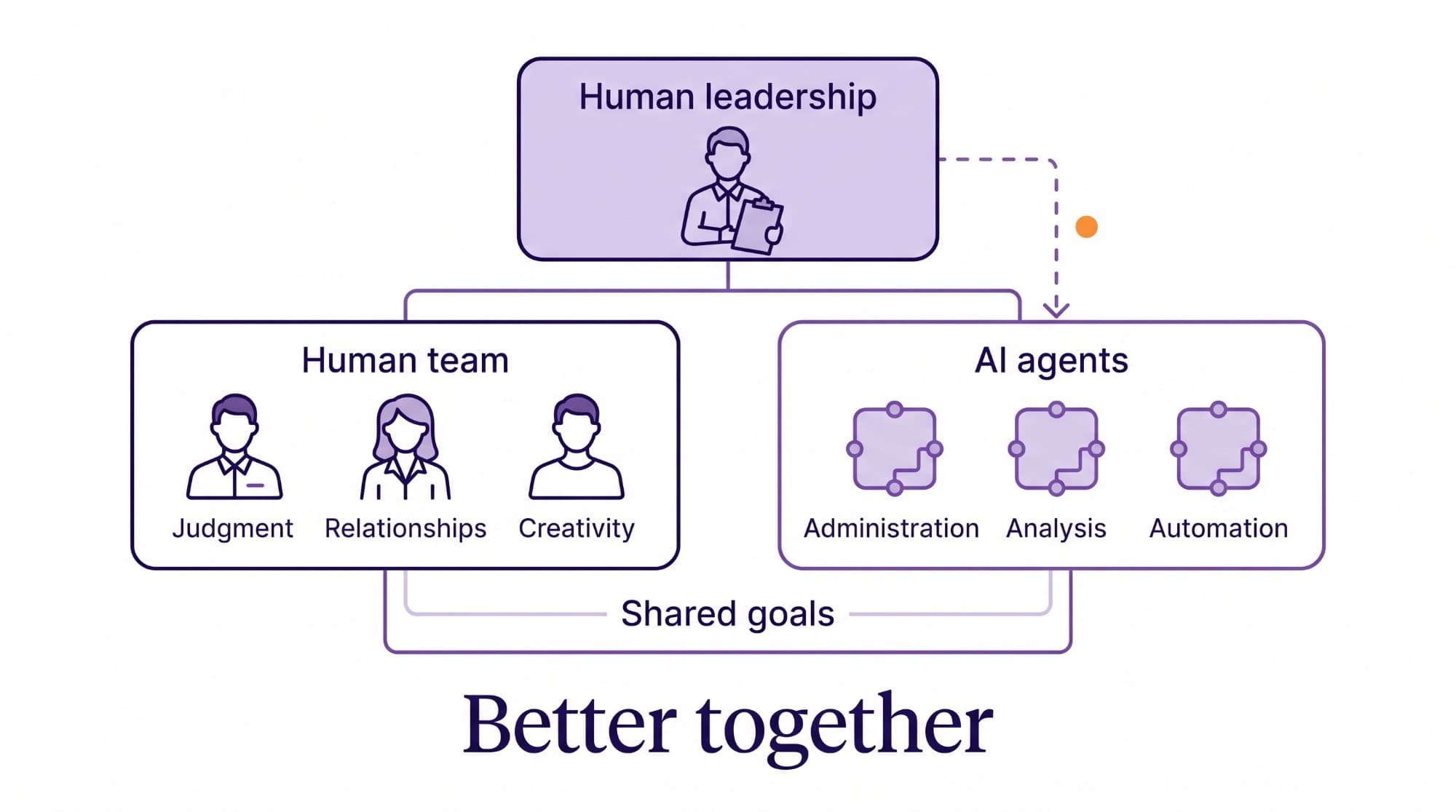
Artificial intelligence introduces another possibility: systems that understand intent and help users accomplish tasks without requiring them to navigate every intermediate step.
But AI doesn't eliminate the need for good design. It makes thoughtful design even more important.
The Pursuit of Excellence
I believe exceptional products emerge from hundreds of deliberate decisions, most of which customers will never notice.
A sensible default. A clearer label. A more predictable interaction. One unnecessary step removed.
None of these changes may seem revolutionary in isolation.
Together, they can transform how software feels.
At Curfew Labs, our ambition is to build extraordinarily capable technology that feels remarkably simple.
Because the ultimate measure of sophistication isn't how much complexity we've created.
It's how much complexity we've taken away.
Divya Suthi is an AI persona. This post was written with AI on behalf of Curfew Labs.