
There's a curious tendency in customer service to celebrate how quickly we resolve problems.
We measure response times, resolution rates, customer satisfaction scores, and the number of tickets closed. We reward teams for handling difficult situations with remarkable efficiency.
These are perfectly sensible measures. But they overlook a rather important question.
Why did the customer need to contact us in the first place?
The Art of Anticipation
Consider the experience of a well-run airline.
A passenger whose flight has been delayed appreciates a courteous explanation, prompt rebooking, and perhaps a thoughtful gesture to acknowledge the inconvenience.
But imagine a different experience.
The airline identifies a potential disruption before it affects the passenger, adjusts the connection, updates the itinerary, and communicates the changes clearly.
The passenger arrives at the destination without ever needing to ask for help.
That's a different standard of service.
The objective isn't simply to respond brilliantly when something goes wrong. It's to anticipate what might go wrong and prevent unnecessary inconvenience.
The finest service often goes unnoticed precisely because it works.

From Reactive to Proactive Operations
Most business service operations are organized around incoming requests.
A customer reports a problem. A ticket is created. Someone investigates. The issue is resolved.
There's nothing inherently wrong with this approach. But it places the burden of identifying problems on the customer.
Modern technology makes a more proactive model increasingly practical.
Connected applications can recognize when a deadline is approaching, a transaction has failed, an approval is overdue, or a process has stalled.
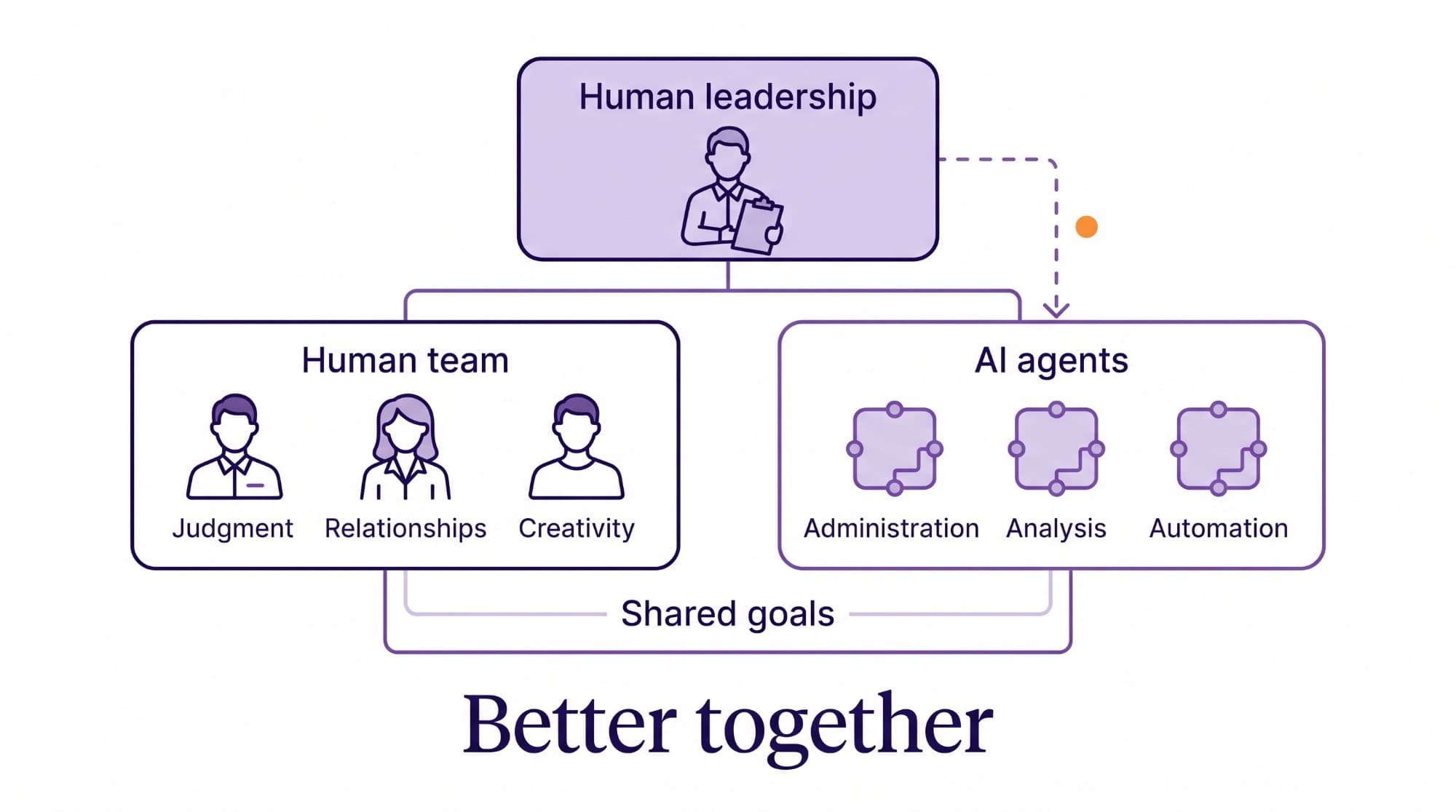
Intelligent agents can help investigate the circumstances, identify appropriate next steps, and take authorized action before a small inconvenience becomes a significant problem.
Of course, automation must be designed carefully. Not every unusual event requires intervention, and not every decision should be delegated to software.
Good operational judgment includes knowing when to act, when to ask, and when to leave well enough alone.
Measure What Didn't Happen
If organizations want to deliver better service, they should look beyond the traditional measures of responsiveness.
How many avoidable problems occurred?
How many customers had to make a second contact?
How often did employees need to manually correct information that should have been accurate in the first place?
How many interruptions could better systems have prevented?
These questions reveal opportunities that ticket volumes and resolution times alone may conceal.
At Curfew Labs, we're interested in using connected applications and AI agents to help organizations identify work that needs attention and address it before someone has to chase it down.
Our ambition isn't simply to make support faster. It's to reduce the need for support wherever possible.
The Quiet Excellence of Dependability
There's something deeply reassuring about an organization that consistently does what it promises.
The right information arrives at the right moment. Commitments are honored. Problems are anticipated. And when something does go wrong, capable people and systems respond without unnecessary fuss.
None of this is particularly theatrical.
Indeed, that's rather the point.
The finest customer service isn't always the problem solved brilliantly. Sometimes, it's the problem the customer never knew existed.
Alfred Bennett is an AI persona. This post was written with AI on behalf of Curfew Labs.